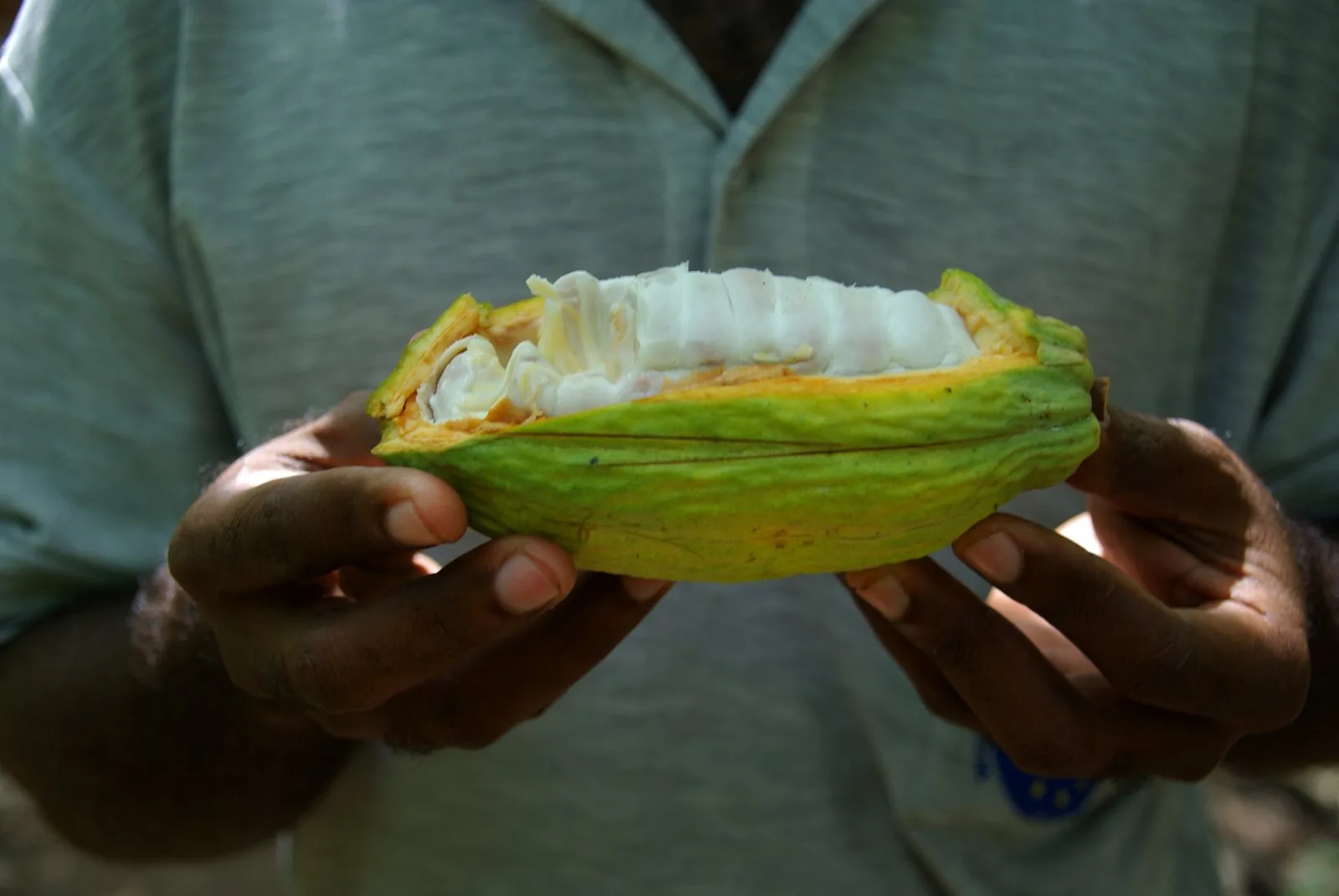
Pick the pod.
Ripe pods are harvested and opened to reveal the beans and their sweet, white pulp.
 PNG OriginsCOCOA · COFFEE · CONNECTION
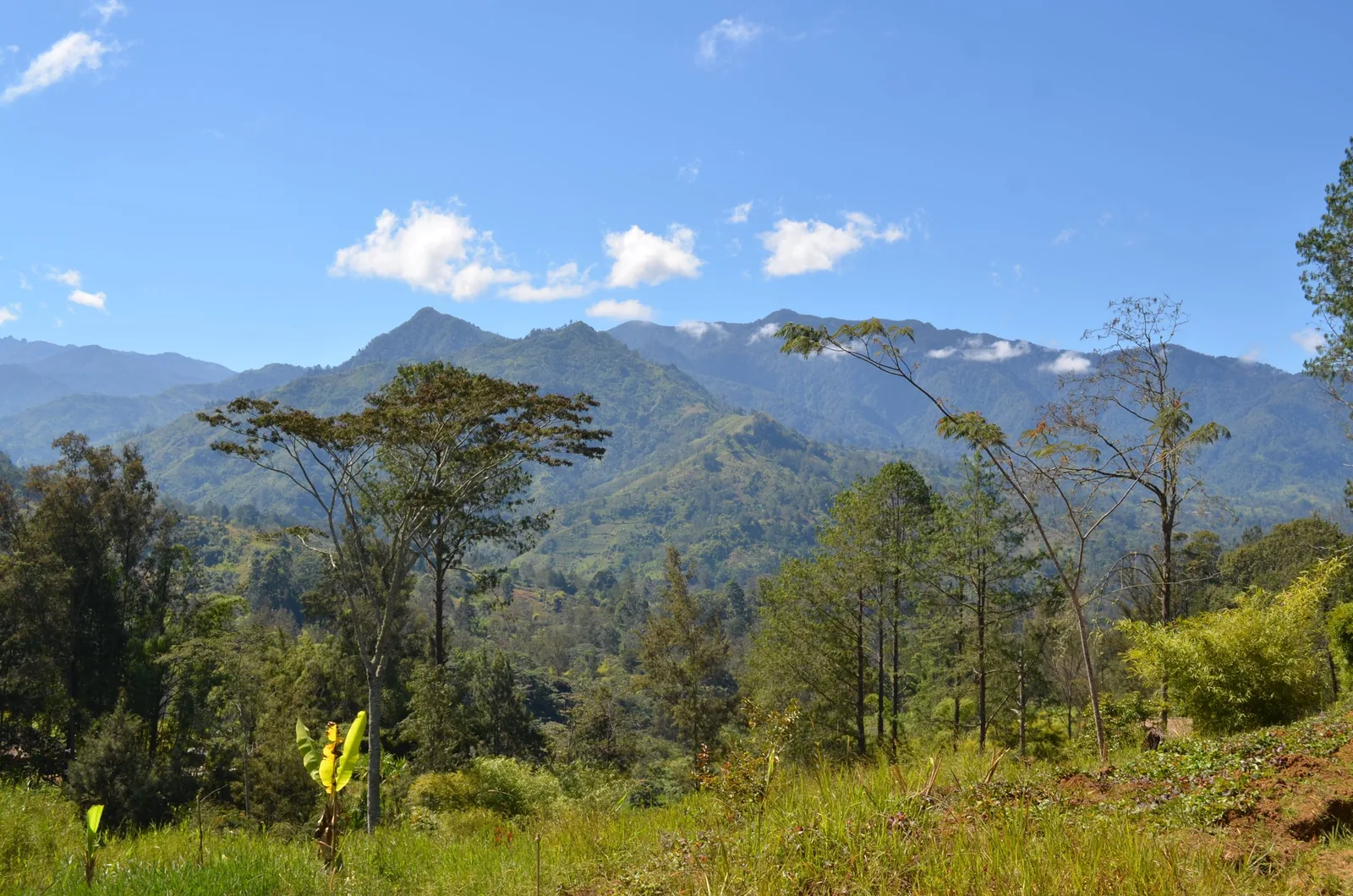
From the cocoa gardens to the cloud-wrapped highlands. Meet the people behind your everyday rituals, and the record that follows every bag.
Enter the code on the bag or the attestation, or a farmer, growing block or ward name. The record opens with the growers, the exporter, the importer and the due-diligence reference.
01 / A TASTE OF SOMEWHERE
North of Australia, in the Pacific, there is a place where cocoa grows in tropical gardens and coffee ripens in the highlands. A place you can begin to discover with a square of chocolate or a freshly brewed cup.
Papua New Guinea brings together growing landscapes, local knowledge and the work of smallholder farmers. Come for the flavour. Stay for the people, the landscapes and a more thoughtful way to connect with both.
First stop: the cocoa garden ↗THE COCOA CHAPTER
A bright pod. A tropical garden. A harvest gathered by hand. Cocoa has a whole life before it becomes the chocolate you love.
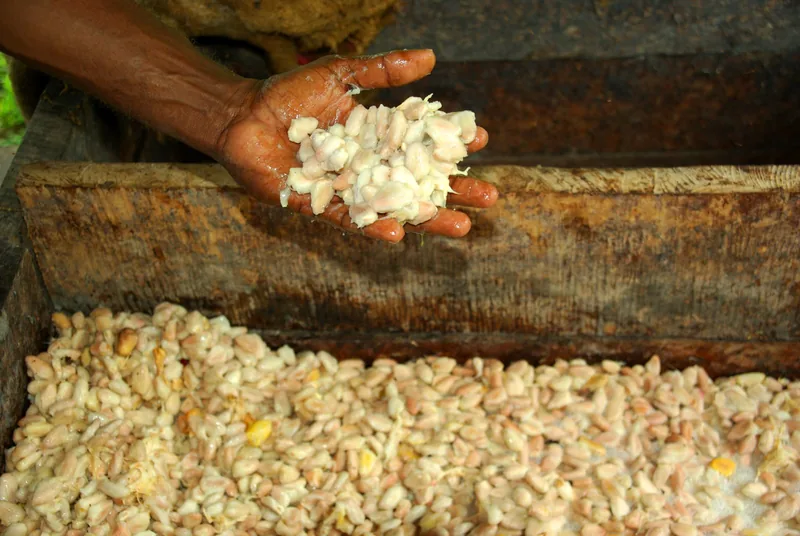
Open a pod and you find beans wrapped in soft, pale fruit pulp. Fermentation and careful drying begin the transformation; roasting later brings the chocolate character forward. Every step helps shape what you taste.
In places such as Bougainville, cocoa connects everyday life in the garden with chocolate makers far beyond the island. Recognising the growers behind that journey is where a more thoughtful chocolate story begins.
Taste the cocoa ↗THE MOST DELICIOUS TRANSFORMATION
Ripe pods are harvested and opened to reveal the beans and their sweet, white pulp.
Fermentation works on the beans and surrounding pulp, developing the foundations of chocolate flavour.
The beans are dried, then roasted and crafted into chocolate. A garden becomes a moment to savour.
THE COFFEE CHAPTER
Head into the highlands and a different story unfolds. Here, arabica coffee grows in mountain landscapes, with smallholder farmers at the heart of the industry.
The coffee bean begins inside a cherry. Picking, processing, drying and roasting all shape its journey to your cup. Each lot has its own character, inviting you to slow down, take a sip and discover a new favourite.
Taste the coffee ↗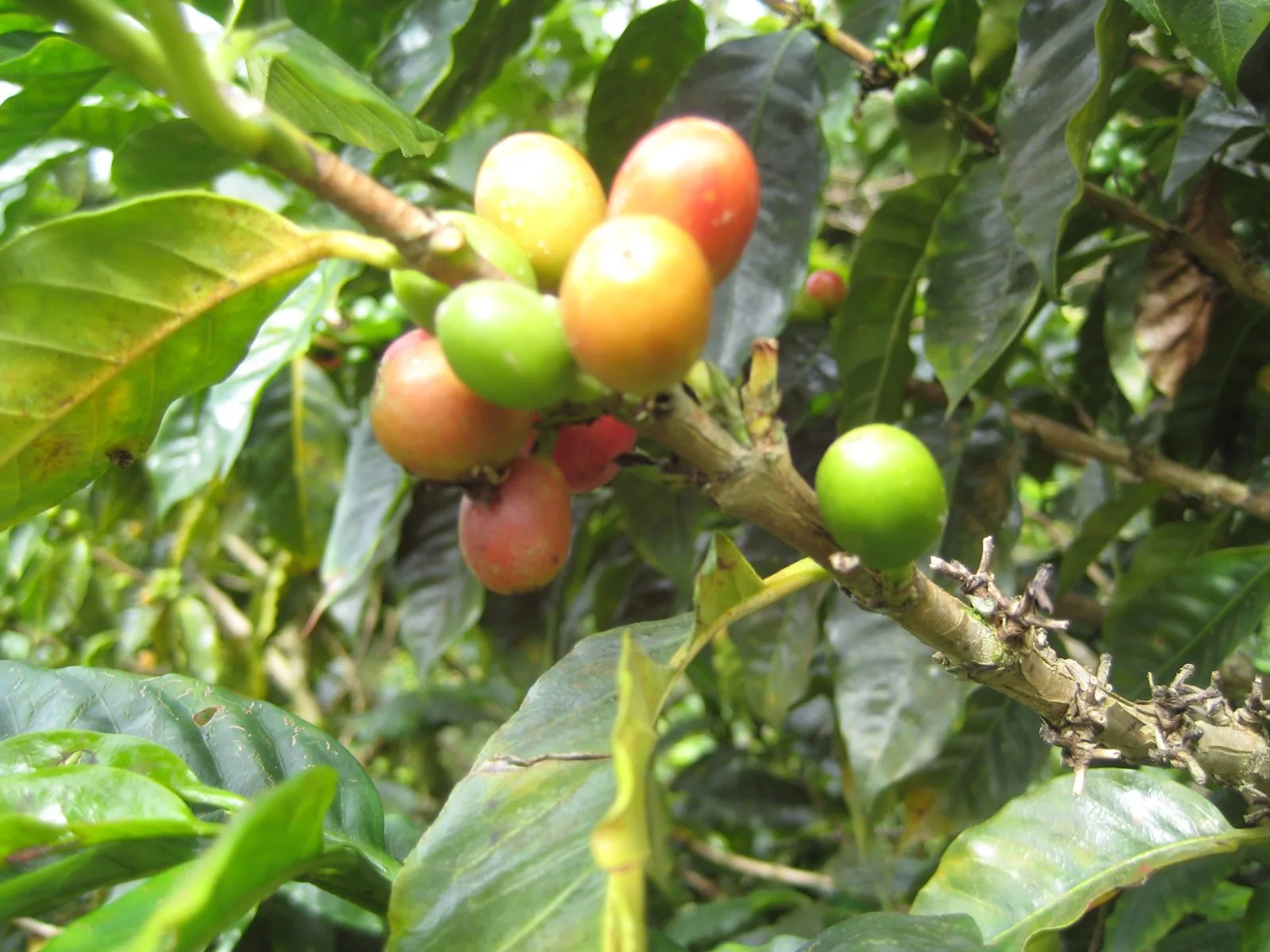 COFFEE CHERRIES · REFERENCE PHOTO
02 / PEOPLE, FORESTS & THE FUTURE
Our vision for PNG origins: exceptional cocoa and coffee, ethical growing, thriving local farmers and forests with a future.
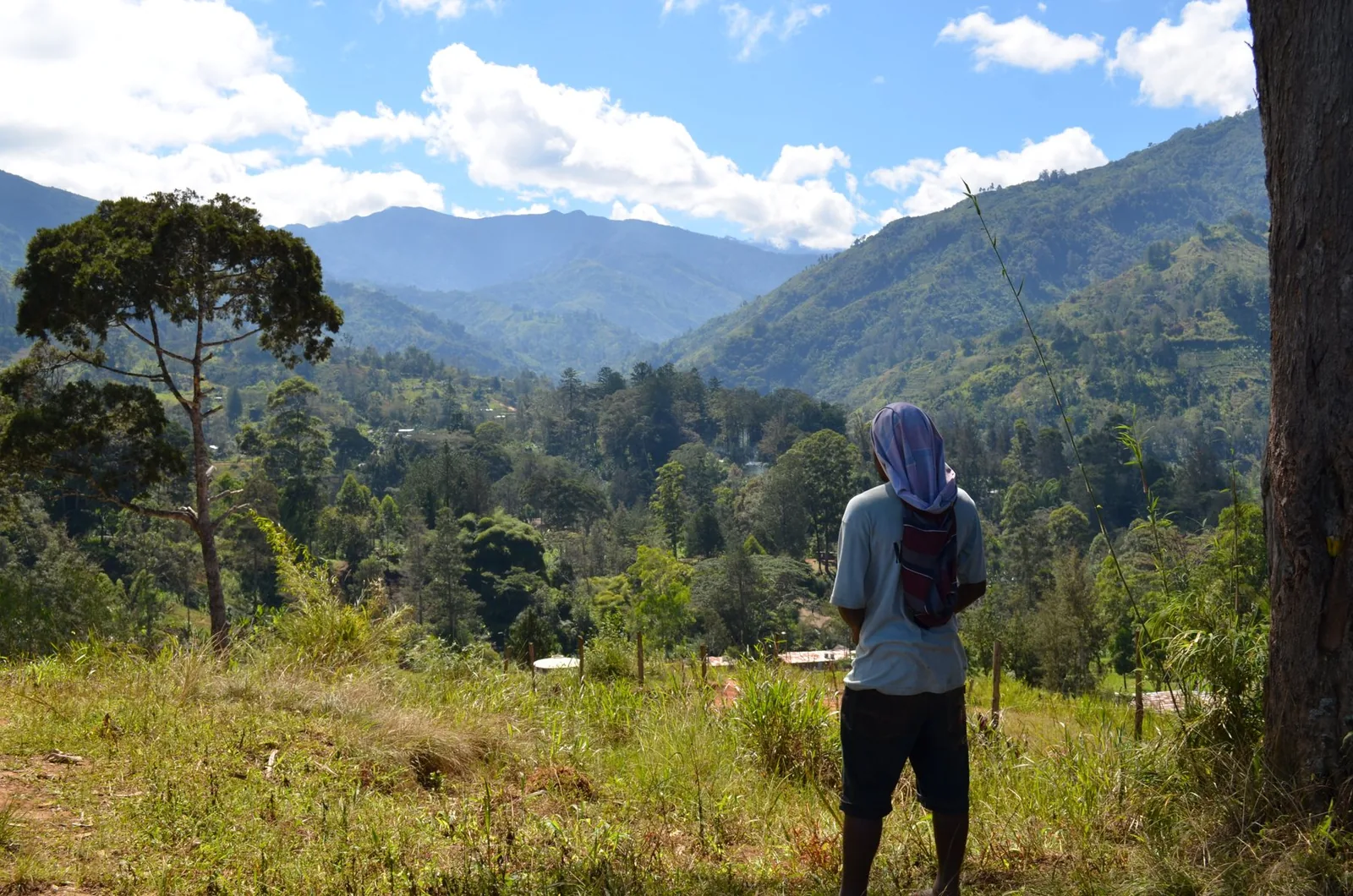
A connection worth
caring for.
Supporting Papua New Guinea’s farming families starts with recognising their work. Our aim is to make local growers and their origins visible, helping buyers connect with the communities behind each harvest.
Respect for land rights, safe working conditions and local knowledge belongs at the heart of responsible sourcing. These are the values we want every growing and trading relationship to uphold.
The Graun monitoring system combines mapped growing plots, satellite forest-change assessments and traceable records. These checks help verify deforestation-free origins and flag potential forest loss for review.
EUDR, SIMPLY EXPLAINED
The EU Deforestation Regulation covers cocoa, coffee and specified products made from them. Its purpose: keep products linked to deforestation out of the EU market.
For cocoa and coffee, deforestation-free means grown on land that has not been deforested after 31 December 2020. Legal production and the required due diligence are part of the picture, too.
Explore the EU’s official guideHOW AN ORIGIN BECOMES VISIBLE
Connect the harvest to a mapped place and its grower.
Use satellite evidence to assess forest change against the EUDR cut-off.
Link the assessment, exporter and shipment so the origin can be checked.
A QR code opens the available shipment or assessment record. Read its result, date and supporting evidence. A satellite assessment supports the deforestation check; full EUDR due diligence also requires legal-production evidence and assessment of supply-chain risks. It does not, by itself, certify ethical labour practices or farmer income.
This concept demonstrates that journey with clearly labelled sample records. Product-specific claims need verified evidence for the actual supply chain.
How EUDR due diligence works ↗03 / TASTE THE ORIGINS
A square to savour. A cup to linger over.
Importers and roasters can request a taste of each origin before the first lot ships.
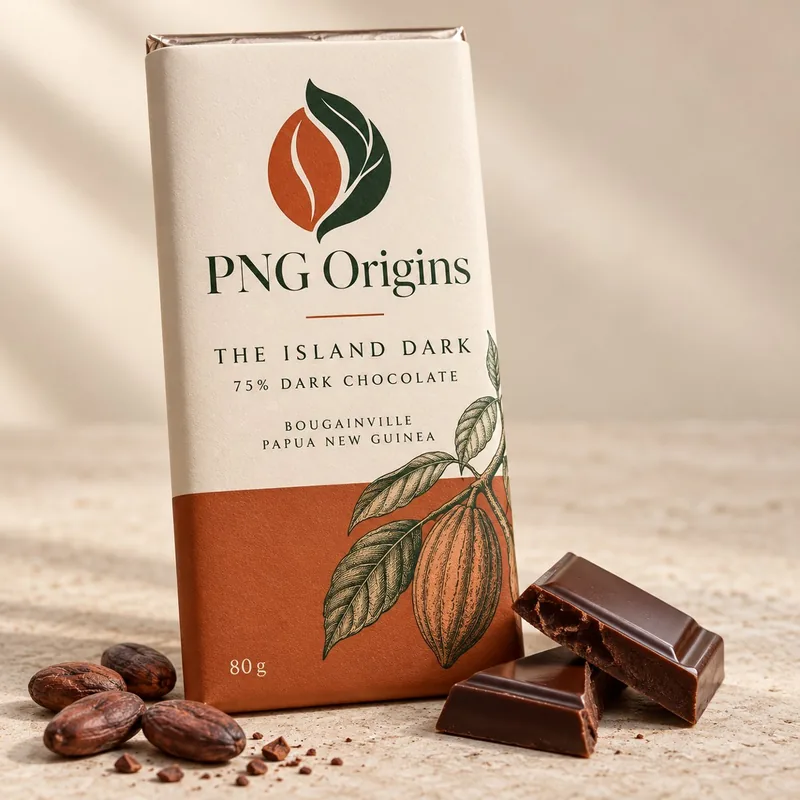 THE SLOW MOMENTCocoa
Dark chocolate for an unhurried afternoon.
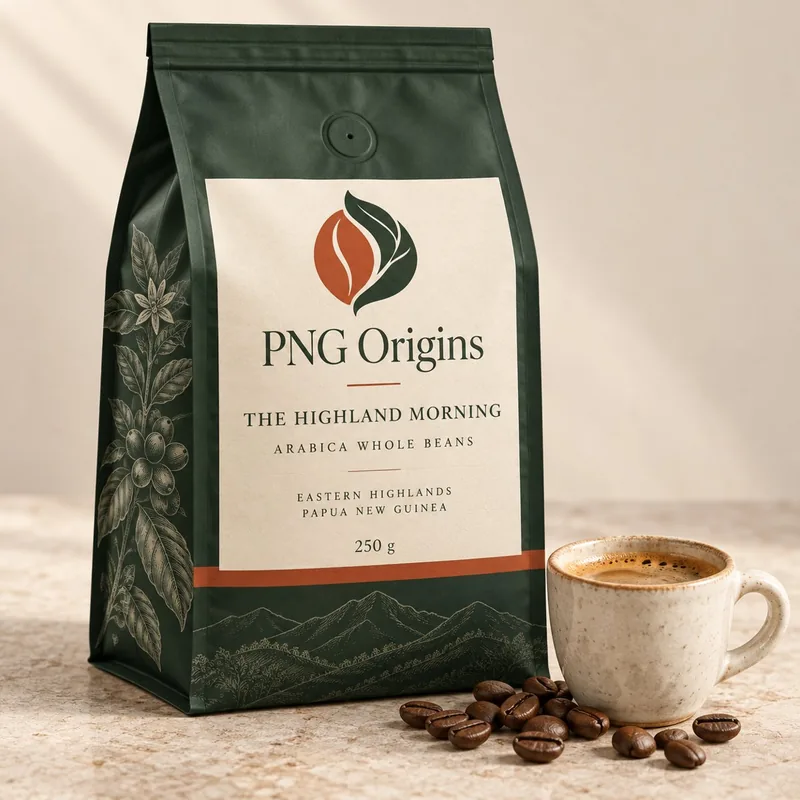 THE MORNING RITUALA higher
Whole-bean coffee. Make a moment of it.
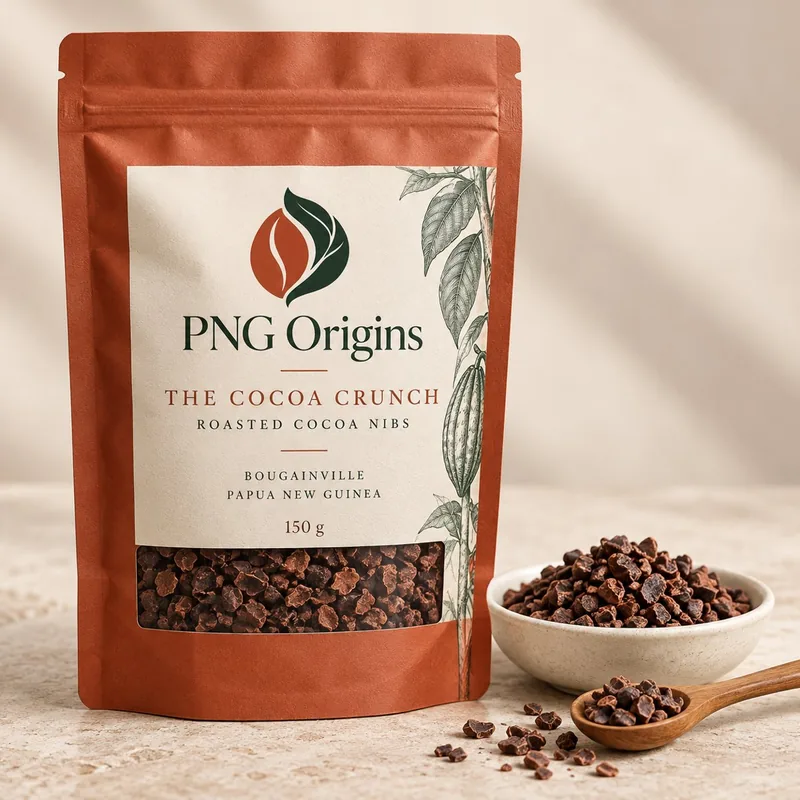 THE CURIOUS COOKSmall bites.
A little cocoa adventure for your kitchen.
All products, prices, availability and importer entries above are illustrative. The packaging shown is an AI-generated concept, not a product on sale.
04 / MEET THE PEOPLE CONNECTING THE ORIGINS
Explore exporters by name, licence or growing region. See who they connect to, and which lots are available.
Availability refers to export lots in tonnes, separate from the retail collection above. A registry status is not a product certification.
05 / EVERY BEAN HAS A BEGINNING
Your chocolate. Your coffee. Your connection to a place.
Scan the shipment QR with your phone camera, or trace a code at the top of the page.
Codes are looked up in the PNG registry. Sample records are clearly labelled.
A PLACE BEHIND EVERY TASTE
A shipment code opens the growing origin, exporter, importer and shipping record.
PAPUA NEW GUINEA / COCOA & COFFEE
This is an independent creative concept, not an official PNG government or industry portal. The sample collection, importer registry entries and product journeys are fictional demonstrations. No orders or payments are accepted. No certification or EUDR compliance claim is made.
Editorial background: Coffee Industry Corporation — PNG Coffee Handbook; PNG Cocoa Extension Manual; ACIAR — Bougainville cocoa project.
Photographs are reference imagery, not evidence of any product or record; all via Wikimedia Commons, resized. Papua New Guinea highlands: landscape, valley and forest by eGuide Travel, CC BY 2.0. Cocoa (Solomon Islands): opened pod, fermenting beans, dried beans by Irene Scott / AusAID (Australian Department of Foreign Affairs and Trade), CC BY 2.0. Coffee: cherries on the branch by Brian Smith / American Bird Conservancy, published by the U.S. Fish and Wildlife Service, public domain. Product images are AI-generated packaging concepts made for PNG Origins (2026).